Garden clearance in West Ham

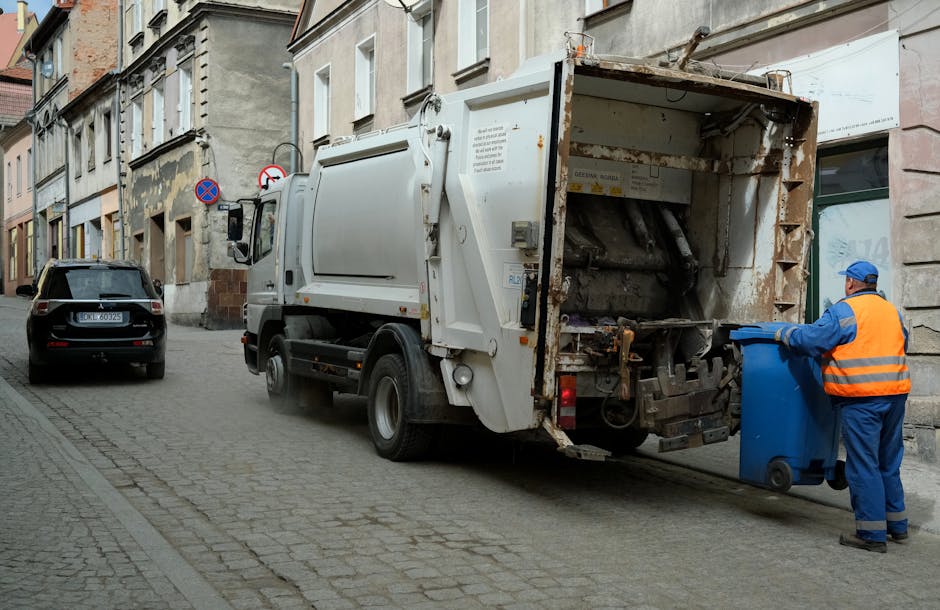
Garden clearance in West Ham should make outdoor spaces easier to use, safer to move through and simpler to maintain. We remove built-up garden waste, cut back overgrown areas, lift unwanted outdoor items and clear mixed material from front gardens, rear yards and shared access spaces. The work is shaped to suit the property and the volume involved, so a tidy small courtyard and a heavily overgrown plot are approached with the same attention to detail but different methods. The aim is straightforward: clear what is no longer needed and leave the space ready for its next use.
Our service can cover routine garden waste as well as heavier clearances that involve bags, branches, old plant pots, broken outdoor furniture and other non-hazardous items left outside. Where access is tight, we plan the loading method carefully so the clearance is practical rather than disruptive. If you want to compare options before booking, ask for a quotation and describe the type of garden space, the material to be taken and any access points that matter.
Many customers want one visit that deals with several kinds of outdoor clutter at once, rather than multiple small removals. That can include seasonal pruning debris, shed spillover, soil in bags, broken fencing sections and general green waste. We can also help when a property has been unused for a while and the garden needs a fuller reset before regular maintenance resumes. If you already know the main items to be removed, you can use that information to request a clearer estimate.
Garden waste removal and site tidying
Garden waste removal is often the simplest part of a clearance, but it still benefits from a structured approach. Green waste can be loose, wet, thorny or bulky, and a rushed job can leave small piles behind that make the garden look unfinished. We collect branches, hedge cuttings, leaves, grass bags and other garden debris, then separate the load so it can be handled appropriately. That keeps the process efficient and helps avoid unnecessary lifting once the material is sorted.
Site tidying goes beyond removing the obvious piles. It can involve gathering scattered clippings, collecting material from borders and paths, and dealing with the less visible corners where waste tends to build up. In practical terms, that means the clearance is not just about taking things away; it is about making the space usable again. Where there is a mix of organic waste and light outdoor rubbish, the load can be organised sensibly before removal. Garden clearance is usually most effective when the work is planned around the shape of the space, rather than around a fixed assumption about how much can be reached in one go.
Different gardens produce different kinds of waste, so the method has to follow the material. A border full of soft cuttings needs a different approach from a pile of woody stems or a long line of ivy growth. We also pay attention to what should stay in place, such as boundary plants, paving, sleepers or fixtures that are part of the garden’s layout. That helps keep the work focused on removal without disturbing the features you still want to keep.
Overgrown areas, bulky items and mixed outdoor rubbish

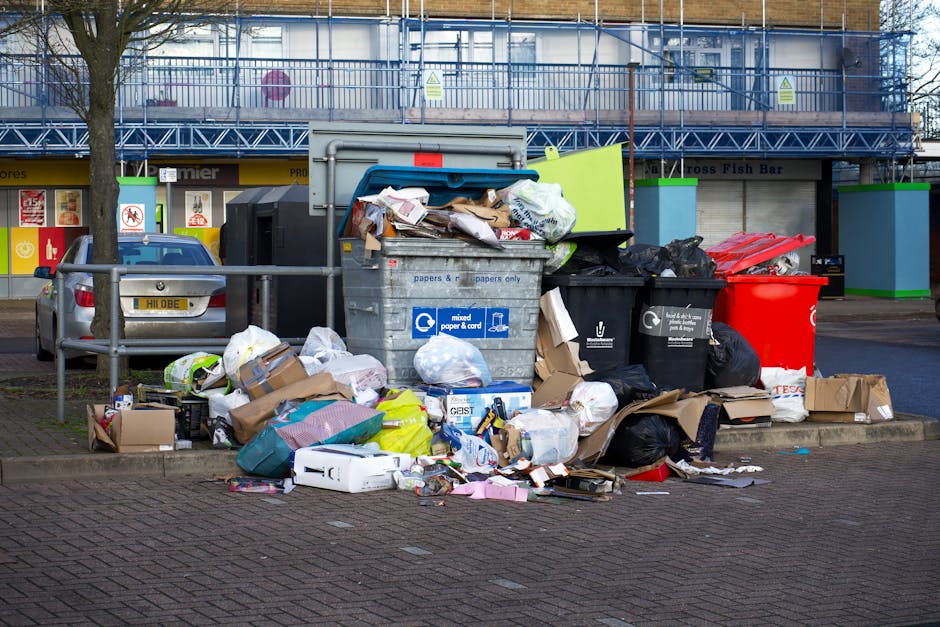
Some clearances are not just about green waste. Gardens can also contain broken plant containers, old timber, dismantled play equipment, damaged screens, loose bricks, scrap metal pieces and other outdoor clutter that has accumulated over time. Mixed loads need a sensible order of work because bulky items are often easiest to remove after the lighter waste has been gathered. When the area is awkward or overgrown, we plan the clearance so that the load can be reached safely and moved without unnecessary backtracking.
Overgrown sections may hide trip hazards, fallen branches, old edging or items left under foliage. Clearing those areas takes more care than a standard tidy-up because the surrounding growth can conceal what is on the ground. We work through the space methodically so that the result is not only cleaner but also easier to inspect afterwards. Waste removal becomes more useful when it is matched to the type of outdoor material involved, especially where the garden contains more than one category of clutter.
It is also common for garden work to include old household or outdoor objects that have been moved outside for storage and forgotten. Examples include cracked chairs, water butts, planters, rusted tools, broken parasols and tired deck accessories. These items can be taken away alongside the organic material so the clearance is completed in a single, coherent visit. Where something is too large to move safely as one piece, it may be handled in stages to keep the process controlled and efficient.
Access, preparation and quotation details
Before a quotation is prepared, it helps to know what kind of garden space is involved, whether access is through a side passage, a rear gate or shared communal entry, and whether the waste is mostly green material or a mixed load. Clear information produces a more accurate estimate and helps us shape the work properly. If the garden has steps, narrow routes or fragile surfaces, that is useful to mention as well. These are practical details, not formalities, because they influence how the clearance needs to be carried out.
Photographs can be helpful when they show the overall amount of material and the layout of the space. A simple set of images is often enough to indicate whether the work is a quick tidy or a more involved clearance with repeated carrying points. If the garden includes heavy items, built-up corners or sections blocked by vegetation, mention those as part of the enquiry. Pricing and quotes become easier to understand when the description of the job is specific and the visible access points are clear.
Good preparation does not mean emptying the garden yourself. It simply means identifying what should go, noting any items that must stay and providing enough information for the clearance to be planned properly. If there are locked gates, parking limits or shared entrances, those details matter because they affect the route in and out. A concise request is usually enough to start the quotation process, and it can save time later by reducing avoidable surprises.
Garden clearance for household and property projects
Garden clearance often sits alongside larger home projects. A property may need outdoor waste removed after decorating, before a tenancy change, after a move or in preparation for landscaping work. In those cases, the clearance is useful because it helps separate what is staying from what can be taken away. This is especially valuable when the outdoor space has been used as a temporary store for items that no longer belong there.
Some customers want the garden cleared ahead of other work such as fencing, turfing, patio cleaning or general improvement tasks. A clear outdoor area makes those next steps simpler, but the clearance itself still needs to be handled carefully so the ground and borders are left in reasonable condition. Home clearance can complement garden work when unwanted items are spread between indoor and outdoor spaces and need to be dealt with in a coordinated way.
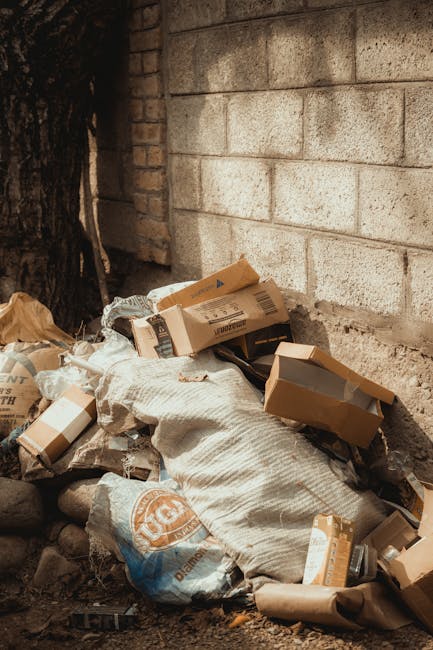
We can also handle situations where a garden holds a combination of domestic waste and outdoor materials, such as packaging, broken household items, old storage boxes and general debris that has drifted outside over time. The main benefit of a combined approach is that it keeps the job consistent from start to finish. Instead of leaving behind the less obvious clutter, the clearance can be completed as one organised piece of work.
Recycling, sorting and responsible handling

Responsible handling matters in garden clearance because not every item is treated the same way. Green waste, timber, metal, plastics and general rubbish may all appear in one space, but they are best handled with sorting in mind. That makes the collection more efficient and supports better downstream processing where suitable. The result is a clearance that is not only tidy on the surface but also organised behind the scenes.
Where reusable outdoor items are present, it can be worth separating them from waste that is clearly at the end of its life. Useful items might include intact planters, working tools or garden containers that simply no longer fit the space. Other materials, such as rotted timber or weather-damaged coverings, may be ready to go. Recycling and sustainability are relevant because different materials need different routes once they leave the garden, and a sorted load is easier to process well.
Sorting on site also helps when the clearance includes awkward or mixed material from a long-neglected area. If branches are tangled with old rubbish, or soil is mixed with broken fittings, a structured approach makes the removal more manageable. We focus on a clean finish and sensible handling rather than treating every item as if it belonged in the same category. That creates a more reliable and tidy outcome for the customer.
About West Ham
West Ham is an area in the London Borough of Newham, in east London, with a history shaped by riverside industry, transport links and steady urban change. The name is older than the modern borough and is closely associated with the historic parish and district that grew up around the Lea valley and the eastern edge of the Thames-side landscape. Over time, the area became part of the wider metropolitan expansion that characterised London in the nineteenth and twentieth centuries, with railways, bridges and new streets helping to connect what had once been more open ground to the rest of the city. That layered history is still visible in the mix of surviving older streets, later estates and commercial corridors. The local identity is also linked to football culture, with the area long associated with West Ham United and the wider sporting life of east London. Nearby Stratford, Canning Town and the Royal Docks have all influenced how the district is understood today, particularly as transport improvements and large-scale redevelopment have altered movement patterns across the east of the capital. Green spaces in and around the area provide a contrast to the dense built environment, while the wider borough includes waterways, parks and civic landmarks that reflect Newham’s more recent growth. Together, these features give West Ham a character that is urban, practical and historically layered, with the older place-name still carrying a strong local presence even as the surrounding city continues to evolve.
Furniture, sheds and clearance extras
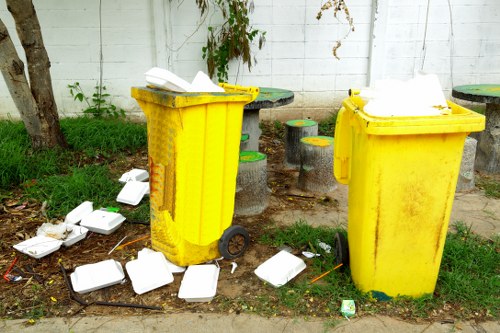
Garden clearance is sometimes joined by the removal of outdoor furniture and storage items that have outlived their use. Tables, chairs, benches, shelving, plant stands and lightweight storage pieces may all be sitting in the same space as garden waste, and it is usually more efficient to deal with them together. When the material includes both natural waste and manufactured items, the work is organised so that each part can be lifted, loaded and handled in a sensible sequence.
Some gardens also contain small structures or loose components that are no longer needed, such as worn panels, dismantled frames, old edging, stakes, broken trellis sections or pieces that were once part of a shed area. These objects may not look large individually, but they can create a cluttered and awkward surface when left in piles. Furniture clearance can be relevant where outdoor seating or storage items need to go with the rest of the load rather than being treated as a separate task.
If a garden includes several different kinds of discarded material, it is often best to think in terms of zones: what is green waste, what is furniture or timber, and what is mixed rubbish. That approach makes the clearance easier to describe and easier to complete. It also helps the final result look balanced, because the remaining area is not left with one type of clutter cleared and another left behind.
Choosing the right level of clearance
Not every garden needs a full-scale clear-out. Some properties only need a seasonal tidy, while others benefit from a more involved clearance that addresses heavy build-up, neglected corners and mixed outdoor waste. Choosing the right level of work starts with a realistic description of the space. If the garden is mostly cuttings and light debris, the job will be different from one that includes large objects, long-standing clutter and inaccessible areas. A clear description helps match the service to the need.
There can also be practical limitations worth considering. Very compact yards, steep access, locked gates or shared passages may change the order in which items are removed. Where the garden has fragile paving or soft ground, the clearance may need a gentler route so the surface is not disturbed unnecessarily. Garage clearance may be useful when the outdoor area has become a staging point for items that were moved out of a garage or side space and now need to be dealt with properly.
Good decisions save time. A customer who knows what should be removed, what should stay and how the space is reached can usually receive a more useful quotation. That does not mean every item has to be listed individually, but it does help to explain the type of clutter present. With that information, the clearance can be planned around the actual layout rather than guessed from a broad description.
Garden clearance for homes, flats and shared spaces
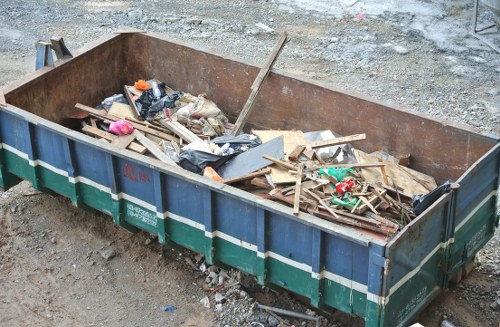
Outdoor clearance is not limited to traditional houses with large gardens. Flats, maisonettes and shared residential spaces can also collect garden waste, communal clutter and unwanted items around borders, bin areas and access paths. In these situations, the work needs to stay considerate to neighbours and practical for the space available. The clearance may involve lighter carrying loads, more careful route planning and extra attention to keeping shared surfaces clear while the work is under way.
When a property has limited outdoor space, even a modest build-up can make the area feel crowded. Clearing away the waste can restore usable room for planters, seating, bins or simply safer movement through the space. Flat clearance can be relevant when the garden or outdoor section forms part of a larger residential property arrangement and several areas need to be managed together.
For larger domestic projects, a garden task may sit alongside the clearing of lofts, furniture or household goods that are no longer needed. The key is to decide what belongs in the garden clearance and what should be treated as a separate interior job. If you are ready to compare options, request a quotation with a clear description of the outdoor material and the access route, and we can help shape the right clearance plan.
Planning a clear and practical removal
A well-planned garden clearance tends to run more smoothly because the route, the load and the likely obstacles are considered in advance. That matters whether the task is a simple green-waste collection or a broader outdoor tidy-up. The aim is to remove the clutter without making the process feel disruptive or overcomplicated. When the garden contains a range of items, it helps to identify the most awkward pieces first so the overall sequence can be arranged sensibly.
For many customers, the most useful next step is simply to gather the facts that affect the job: what needs removing, whether anything is heavy or awkward, and how the space is accessed. If the garden is partly hidden or difficult to photograph from one angle, a few different views can be useful. Contact us if you want to discuss a garden clearance in West Ham and would like the work to be priced around the real layout of the space.
Whether the clearance is small or substantial, the same core principle applies: remove the unwanted material carefully and leave the garden ready for use. That may mean dealing with green waste, broken outdoor items, mixed rubbish or a combination of all three. A sensible quotation starts with a sensible description, and a sensible clearance starts with a plan that fits the property rather than forcing the property to fit the plan.