Avoid delays on urgent West Ham rubbish pickups
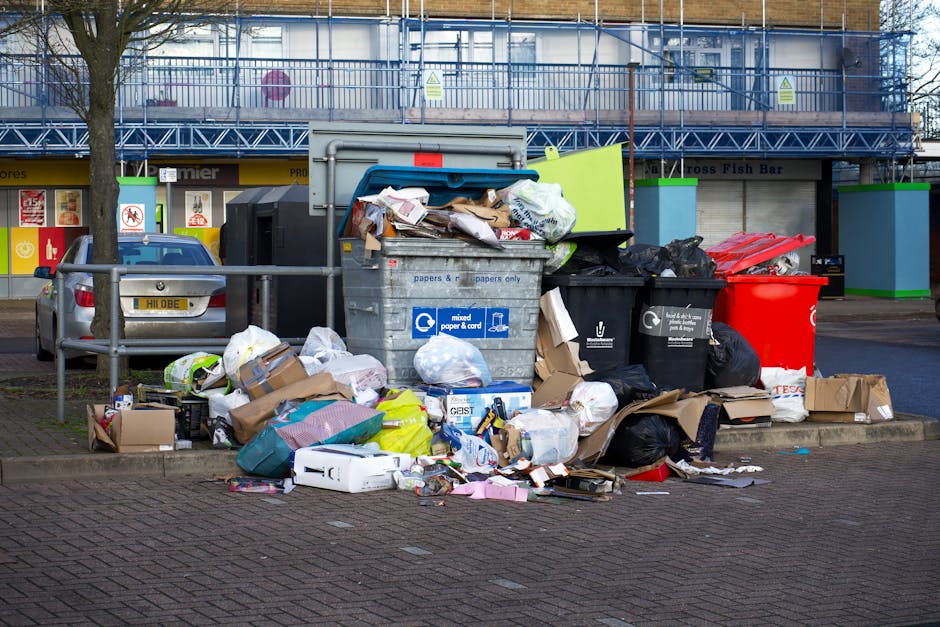
When rubbish has to go quickly, even a small delay can turn into a proper headache. A blocked hallway, builders' debris by the front door, broken furniture after a move, or an overflowing office store room all create pressure fast. If you need to avoid delays on urgent West Ham rubbish pickups, the trick is not just booking someone quickly; it is preparing the job so the collection can happen cleanly, safely, and without back-and-forth on the day.
In West Ham, that matters more than people sometimes expect. Streets can be tight, parking can be awkward, and access issues can slow everything down if they are not flagged early. The good news? Most delays are preventable. This guide walks through the real reasons collections get held up, how urgent rubbish removal usually works, and what you can do before the team arrives so the job moves along without drama. Not fancy. Just practical.
Why Avoid delays on urgent West Ham rubbish pickups Matters
Delays are not just annoying. They can affect access, safety, neighbour relations, and sometimes the whole schedule for a move, refurb, or business opening. A pile of waste left outside a property can block paths, create a trip hazard, and draw complaints if it sits around too long. Inside a flat, it can make it harder for you to work, pack, or even get a bed into position. Simple things suddenly feel complicated.
For urgent collections, the cost of a delay is often measured in stress. Maybe the landlord is coming tomorrow. Maybe the builders cannot continue until the waste is gone. Maybe the hallway smells a bit off because damp cardboard and mixed rubbish have been sitting for days. Truth be told, no one wants that lingering in the background.
Speed matters, but only if the collection is done properly. A rushed job that turns messy or gets blocked by access issues is not really a time-saver. The better approach is to remove the friction before it starts. That means clear photos, accurate descriptions, ready access, and a booking that matches the actual load.
If you need broader help with removing mixed waste, it can also be useful to understand the wider approach behind waste removal and how it differs from a more specific clearance such as home clearance or garage clearance. The right fit can save time before anyone even turns up.
How Avoid delays on urgent West Ham rubbish pickups Works
Urgent rubbish collection is usually straightforward on paper: you request a pickup, share what needs removing, agree a time slot or same-day window, and the crew arrives to load and clear the waste. In practice, the speed depends on how accurately the job is set up.
A good urgent process typically looks like this:
- You describe the waste clearly. Say whether it is bagged rubbish, furniture, garden waste, builders' rubble, office clutter, or a mixed load.
- You flag access details. Mention stairs, basements, lifts, loading bays, parking limits, locked gates, or awkward entry points.
- You confirm the volume. A few bags is very different from a full van load. Even a rough estimate helps.
- You check what needs separating. Some items may need special handling, and it is better to know early.
- You prepare the pickup area. Move waste to one place if you can, and keep routes clear.
- The crew arrives ready to load. If everything matches what was described, the collection is usually much faster.
That last part is the key. A collection does not slow down because rubbish exists; it slows down because the team arrives to something different from what was expected. It happens more often than people think. A "small pile" can turn into two broken wardrobes, five sacks of mixed waste, and an old mattress with no easy way out. Slightly annoying, to be fair.
For business premises, timing also matters around operations. If waste is sitting near entrances or stock areas, a rushed collection can interrupt staff movement. That is where business waste removal becomes especially useful, because it helps you plan the clearance around opening hours rather than trying to squeeze it in later.
Key Benefits and Practical Advantages
When urgent pickups are planned properly, the benefits are obvious. The less obvious ones are just as important.
- Less downtime: Builders can carry on, offices can reopen space, and homes feel manageable again.
- Lower stress: You are not chasing updates, wondering whether someone will actually show up.
- Cleaner access: Hallways, driveways, and shared areas are cleared sooner, which helps keep neighbours happier too.
- Better safety: Loose waste, glass, sharp edges, or heavy items are removed before they become a problem.
- More accurate pricing: Clear information usually means fewer surprises later.
- Faster turnaround on wider projects: If rubbish is slowing a move or refurbishment, a proper pickup removes the bottleneck.
There is also a less glamorous but very real benefit: confidence. Once the rubbish is scheduled and the details are clear, the whole day feels easier. You can focus on the next job instead of staring at a pile of stuff by the door and thinking, "Right, that still needs dealing with."
For bulky items, the same principle applies. If the pickup includes tired sofas, wardrobes, or bits of broken furniture, it may make sense to look at furniture clearance or furniture disposal rather than treating everything as general rubbish. Clear categorisation tends to keep things moving.
Who This Is For and When It Makes Sense
Urgent rubbish pickup is not only for emergencies. It makes sense any time waste is blocking progress or creating avoidable hassle. That includes homeowners, tenants, landlords, tradespeople, business owners, and property managers.
Typical situations include:
- End-of-tenancy clear-outs where time is tight
- Builders' debris that has to go before the next stage starts
- Broken furniture after a move or delivery issue
- Loft, garage, or shed clearances where access is awkward and time is short
- Office clutter that is taking up usable space
- Garden waste after a tidy-up or storm damage
- Mixed household waste that has built up and needs a same-day solution
If you are dealing with a smaller property, access can be the deciding factor. For example, a top-floor flat with narrow stairs can take longer than a ground-floor pickup, even if the volume is modest. That is why services like flat clearance and loft clearance are often about preparation as much as labour.
And then there are the "I didn't think it would become a thing" moments. A broken shed after windy weather. A pile of packaging after a furniture delivery gone wrong. A back room in a small office where nobody wants to be the one to sort it out. Happens all the time.
Step-by-Step Guidance
If you want to avoid delays on an urgent collection, follow a simple process. Nothing clever. Just disciplined.
1. Identify exactly what needs removing
Start with the waste itself. Is it mixed household rubbish, garden cuttings, bulky furniture, builders' rubble, or office material? The more specific you are, the better the team can plan the vehicle, crew size, and loading order.
2. Separate what is staying from what is going
This sounds obvious, but it is where people often slip. Items left beside the waste can get confused with the load, especially when you are in a rush. If something must stay, move it away from the pickup area or label it clearly.
3. Make access as easy as possible
Unlock gates, clear hallways, and if parking is tricky, think through the nearest practical stop point. In a busy West Ham street, one small access issue can add time quickly. A van that has to circle for parking is time you feel immediately.
4. Send clear information before the visit
Photos help a lot. So do rough measurements and a note about stairs, lifts, or heavy lifting. If the waste is in a basement, attic, or shared courtyard, say so upfront. It avoids awkward surprises and protects your time.
5. Ask how the collection will be handled
Some jobs are best handled as a quick load-and-go. Others need sorting or careful moving. If you are not sure, ask. A short conversation often prevents a long delay later. And yes, that five-minute call can save a one-hour headache.
6. Confirm what happens on arrival
Check whether the team will need you on site, whether a contact number is enough, and whether the pickup point will be the front garden, the driveway, the kerbside, or inside the property. Clarity here makes the whole thing smoother.
7. Keep the route clear until collection is finished
Even after the booking is made, people sometimes start stacking more items beside the pile. That is how a neat pickup becomes a bigger, slower job. Leave the route clean until the waste is gone. Simple, but easy to forget when you are doing ten other things at once.
Expert Tips for Better Results
In our experience, the quickest urgent pickups are rarely the ones with the fanciest booking system. They are the ones where the customer has prepared the site properly. Small details, big difference.
- Use one collection point: Put everything in one place if possible. Scattered waste takes longer to assess and load.
- Keep fragile and sharp items flagged: Broken glass, metal edges, and splintered wood should not be left unmentioned.
- Tell the team about unusually heavy items: Old safes, large cabinets, or waterlogged waste can affect how the load is handled.
- Be realistic about volume: A "small job" that actually fills a van causes delays for everyone. Honest estimates help more than optimistic ones.
- Book early in the day if timing matters: If you need the space clear before afternoon contractors arrive, don't leave it to the last minute. That one's worth remembering.
If the job includes outdoor waste, think about weather and ground conditions too. Wet grass, slippery paths, or muddy access can slow loading. For mixed outdoor jobs, garden clearance is often more efficient than trying to manage it piecemeal.
One more thing: if you are booking for a workplace, nominate a single contact person. It avoids the "I thought someone else was handling it" problem. Classic office chaos. We have all seen that movie.
Common Mistakes to Avoid
Most delays come from a handful of very normal mistakes. No judgement. But if you know them in advance, you can dodge them.
- Giving vague descriptions: "A bit of waste" is not much help when the team is planning a pickup.
- Forgetting about access: Narrow stairs, locked entrances, and parking restrictions can change the schedule fast.
- Mixing acceptable items with restricted ones: Some materials need separate handling, so mention anything unusual.
- Changing the job at the last minute: Adding another room's worth of rubbish after confirmation can push the collection back.
- Leaving items spread across several rooms: The more searching and moving the crew has to do, the slower it gets.
- Assuming urgent means instant: Even a fast service needs accurate information and practical access.
There is also the classic mistake of clearing only half the pile before the crew arrives. Then everyone stands around, and someone says, "Oh, I thought those were going too." It's not the end of the world, but it does waste time.
If you are unsure whether the job is better treated as property clearance rather than general rubbish pickup, compare it against house clearance or office clearance. Choosing the right type of service can reduce delays before the van even arrives.
Tools, Resources and Recommendations
You do not need complicated tools to keep urgent pickups on track. A few simple resources make a real difference.
- Phone camera: Take clear photos of the waste from a couple of angles. Good light helps more than people think.
- Rough measurements: Estimate how much space the rubbish takes up. A tape measure is useful, but even visual estimates are better than nothing.
- Access notes: Keep a quick note of gate codes, floor numbers, parking restrictions, and any delivery windows.
- Checklist: Write down what is going, what is staying, and whether anything needs special handling.
- Service comparison: Sometimes a specialised clearance is faster than a general one. For example, builders' debris is often better suited to builders waste clearance than a broad household collection.
On the trust side, it is sensible to look at a company's practical standards too. Pages such as health and safety policy, insurance and safety, and recycling and sustainability can help you understand how they work. Not because every job needs a formal audit, but because you want to know the waste is being handled properly, not just hurried out the door.
If you are still comparing cost and scope, the pricing and quotes information is a sensible next stop. It helps set expectations without guesswork, which is exactly what you want when time is tight.
Law, Compliance, Standards, or Best Practice
Urgent rubbish pickups still need to be handled responsibly. In the UK, waste should be collected, transported, and disposed of in line with applicable legal duties and standard industry practice. You do not need to become an expert in waste law to book a collection, but you should expect the service provider to act carefully and lawfully.
Best practice usually includes:
- Clear identification of the waste type before collection
- Safe handling of heavy, sharp, or awkward items
- Appropriate transport and loading methods
- Respect for shared access areas, neighbours, and property rules
- Careful separation of reusable, recyclable, and non-recyclable materials where practical
If a job is linked to a business, landlord property, or building site, documentation and communication matter even more. It helps to keep written records of what was booked, what was collected, and any special instructions given. Nothing dramatic. Just good housekeeping.
Where a service provider sets out its operational standards, policies such as terms and conditions, payment and security, and complaints procedure show how it handles expectations and accountability. That tends to be a good sign when you need things done quickly but properly.
Options, Methods, or Comparison Table
Not every urgent job needs the same approach. Choosing the right method can save both time and hassle.
| Option | Best for | Speed | What to watch for |
|---|---|---|---|
| General rubbish removal | Mixed household or everyday waste | Often quick if access is simple | Needs clear description and accurate volume estimate |
| Furniture-specific collection | Bulky items like sofas, beds, wardrobes | Fast when items are ready to move | Check access, stairs, and whether dismantling is needed |
| Builders' waste clearance | Renovation debris, rubble, timber, packaging | Very efficient if waste is grouped together | Heavy material can take longer to load and sort |
| Property clearance | Rooms, flats, lofts, garages, or full homes | Still prompt, but more involved | Better for larger or mixed jobs than a quick spot pickup |
If your main problem is a backlog in one room, the right solution may be a targeted service rather than a broad one. A loft full of old boxes is not the same as a driveway stacked with builder's rubble, and trying to treat them as the same job can slow things down. Obvious enough, but easy to miss in the moment.
Case Study or Real-World Example
A common West Ham scenario goes like this. A small rental flat has a move-out deadline, and the tenant has three bulky items, several black bags, and some broken shelving left in the hallway. The landlord wants the space ready for cleaning that same afternoon. The main risk is not the amount of rubbish; it is the awkward access and the time pressure.
What works best in a case like that?
The customer sends photos first, mentions the second-floor access, confirms that the lift is not reliable, and moves everything into one corner near the entrance. A clear booking window is agreed, the team arrives knowing exactly what they are dealing with, and the collection is completed without extra sorting on site. No frantic calls. No surprises. Just a clean handover.
Another example: a small office is clearing out old chairs, broken shelves, and a pile of archived packaging before a fit-out. The team nominates one contact person, clears the corridor in advance, and avoids stacking any additional items near the lift after booking. The rubbish is gone, the office can keep moving, and everyone breathes a little easier. Small wins, but they matter.
That is really the pattern behind most successful urgent pickups: accurate information, simple access, and one person keeping the process tidy.
Practical Checklist
Use this before the collection window. It takes a few minutes and can save a lot of messing about later.
- Take clear photos of all waste
- Write down what is going and what is staying
- Estimate the volume realistically
- Check access routes, stairs, and lift availability
- Confirm parking or loading access
- Tell the team about heavy, sharp, or awkward items
- Group waste into one area where possible
- Remove anything that should not be collected
- Keep pets, children, and foot traffic away from the route
- Make sure one person is available for questions on the day
Quick takeaway: the fastest urgent pickups are almost always the ones that are prepared like a small project, not treated like a mystery pile at the last minute.
If you are arranging a larger property clear-out, it can be worth reviewing whether garage clearance, home clearance, or house clearance is the better match. The right service choice is often the quickest path of all.
Conclusion
To avoid delays on urgent West Ham rubbish pickups, focus on preparation, clarity, and realistic expectations. That means describing the waste properly, giving accurate access details, clearing the route, and choosing the service type that matches the job. Most slowdowns come from small avoidable gaps, not from the collection itself.
Think of it this way: a good urgent pickup is less about speed in the abstract and more about removing friction. When the load, location, and timing are all understood before the van arrives, the whole thing becomes calmer and faster. And that calm is worth a lot when you are already dealing with a messy, time-sensitive situation.
If you are planning ahead, it also helps to read a company's pages on about us and contact us so you know who you are dealing with before the pressure is on. A little confidence upfront can save a lot of stress later.
Get a free quote today and see how much you can save.
When the rubbish is finally gone and the space is clear again, the relief is immediate. Quiet, tidy, and back under control. That's the goal, really.
Frequently Asked Questions
How do I avoid delays on urgent West Ham rubbish pickups?
Give a clear description of the waste, share photos, confirm access details, and keep the pickup area easy to reach. Those four steps solve most delays before they start.
What details should I send when booking an urgent collection?
Include the waste type, approximate volume, whether it is inside or outside, how many floors are involved, and any parking or gate issues. The more practical detail, the better.
Can same-day rubbish pickup still be fast if the job is complicated?
Yes, but only if the access is workable and the description is accurate. A complicated job with poor information is where delays usually appear.
What causes the most common delays with rubbish removal?
Vague instructions, blocked access, underestimating volume, and last-minute changes are the biggest culprits. It's usually one of those four.
Should I move the rubbish to one place before the team arrives?
Yes, where possible. Grouping waste into one area makes loading quicker and helps the crew assess the job immediately.
Is urgent rubbish pickup suitable for bulky furniture?
Usually yes, especially if you describe the items in advance and mention stairs or tight access. Furniture-specific services can be a better fit for large items.
What if I am not sure how much waste there is?
Take photos and give a rough estimate rather than guessing too low. A cautious, honest estimate is far more useful than an optimistic one.
Do I need to be on site during the pickup?
That depends on the arrangement, but it helps to have one named contact available. It avoids delays if the crew needs clarification.
Can business waste be collected urgently without disrupting staff?
Usually, yes. Good timing and a clear loading point make a big difference, especially for offices and small commercial spaces.
What should I check for compliance and trust before booking?
Look for clear terms, safety information, payment clarity, and a sensible complaints process. These pages help show how the service is run and how issues are handled.
Are there jobs that are better treated as clearance rather than rubbish pickup?
Definitely. Larger projects like lofts, garages, flats, or whole houses may be smoother with a more specific clearance service than a general pickup.
How can I tell if my urgent collection will be delayed on the day?
If the access route is unclear, the waste is spread across several areas, or the description keeps changing, delays become more likely. Clear the details early and you cut that risk right down.